Breathe Easier: How I Transformed My Home to Boost My Health
We spend over 90% of our time indoors, yet most of us ignore how our environment shapes our well-being. Poor air quality, clutter, and artificial lighting don’t just feel off—they affect sleep, mood, and energy. I didn’t realize this until I started making small, intentional changes at home. The result? Clearer breathing, better focus, and a calmer mind. It’s not about perfection—it’s about progress. What if the key to feeling healthier wasn’t in a pill or a strict diet, but in the very walls around you? The spaces where we live, rest, and care for our families hold silent power over our physical and mental health. And the good news is, even modest adjustments can yield meaningful improvements.
The Hidden Impact of Your Indoor Environment
Most people assume that staying indoors protects them from pollution and environmental stressors. However, research from the U.S. Environmental Protection Agency shows that indoor air can be two to five times more polluted than outdoor air. This startling fact often goes unnoticed because the symptoms of poor indoor environments are subtle and build up over time. Common pollutants such as dust mites, pet dander, mold spores, and volatile organic compounds (VOCs) from household cleaners, paints, and adhesives quietly circulate in the air we breathe. These contaminants can trigger respiratory irritation, allergic reactions, and even long-term health issues like asthma and chronic bronchitis.
But the impact goes beyond physical health. The psychological toll of living in a poorly maintained or disorganized space is equally significant. Cluttered rooms, dim lighting, and chaotic layouts contribute to a sense of mental overload. Studies have shown that women, in particular, experience elevated levels of cortisol—the stress hormone—when surrounded by visual clutter. This physiological response makes it harder to relax, think clearly, or feel in control of daily life. The kitchen counter piled with mail, the overstuffed closet, or the dimly lit living room aren’t just inconvenient—they send quiet signals of overwhelm to the brain.
Additionally, poor ventilation traps pollutants indoors, especially in modern, energy-efficient homes that are tightly sealed. Without proper airflow, moisture builds up, creating ideal conditions for mold growth, which can further compromise respiratory health. Carpets, upholstery, and even books can act as reservoirs for dust and allergens, releasing them into the air with every movement. The cumulative effect is a space that may look clean but still undermines well-being. Recognizing that your home environment is not neutral is the first step toward transforming it into a true sanctuary of health.
Why Clean Air Matters More Than You Think
Breathing clean air is often associated with outdoor activities or high-altitude retreats, but it’s just as critical within the home. Every breath you take delivers oxygen to your cells while also potentially introducing harmful particles into your lungs. When air is polluted with fine particulates, VOCs, or biological allergens, the body responds with inflammation. This low-grade, chronic inflammation can manifest as persistent fatigue, difficulty concentrating, and frequent headaches—symptoms that are often mistaken for stress or aging.
The lungs are particularly vulnerable because they have a vast surface area and thin membranes designed for gas exchange, making it easy for airborne toxins to enter the bloodstream. Over time, repeated exposure to polluted indoor air can reduce lung function and increase the risk of respiratory conditions. Children and older adults are especially sensitive, but even healthy adults experience measurable drops in cognitive performance when air quality is poor. A Harvard School of Public Health study found that individuals in well-ventilated buildings with low levels of pollutants scored significantly higher on decision-making and problem-solving tasks.
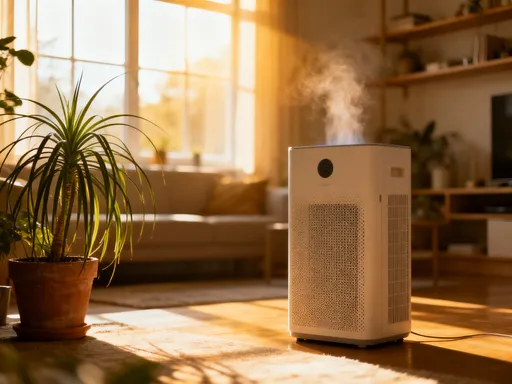
Improving indoor air quality doesn’t require expensive renovations. Simple, science-backed strategies can make a real difference. One of the most effective methods is natural ventilation—opening windows on opposite sides of a room to create cross-breeze. This allows stale air to exit and fresh air to enter, diluting indoor pollutants. For days when opening windows isn’t practical, portable HEPA air purifiers can capture up to 99.97% of airborne particles, including pollen, smoke, and dust. Placing one in the bedroom or living room can significantly improve air quality where you spend the most time.
Another natural solution comes from houseplants. NASA’s Clean Air Study identified several common indoor plants that help remove toxins like formaldehyde and benzene from the air. Spider plants, peace lilies, and snake plants are not only low-maintenance but also effective air filters. While they won’t replace mechanical filtration in highly polluted environments, they contribute to a healthier atmosphere and add a calming, natural element to any room. The key is consistency—regular airing, thoughtful cleaning product choices, and awareness of what’s circulating in your home’s air.
Decluttering: More Than Just Tidying Up
Clutter is more than a cosmetic issue—it’s a psychological burden. A home filled with disorganized belongings can create a constant background hum of anxiety, making it difficult to relax or focus. Research from the UCLA Center on Everyday Lives of Families found that mothers in cluttered homes had higher cortisol levels throughout the day, especially in the evening when they should be winding down. This stress response is not just emotional; it’s physiological, affecting sleep, digestion, and immune function over time.
The emotional weight of clutter often stems from what it represents: unfinished tasks, unresolved decisions, or sentimental attachments. A drawer overflowing with papers may symbolize neglected bills or unanswered invitations. A closet crammed with clothes can reflect indecision or guilt over unused purchases. Each item out of place becomes a tiny mental burden, adding up to a sense of being overwhelmed. The good news is that decluttering isn’t about achieving a magazine-perfect home—it’s about creating space for calm and clarity.
A practical approach is to start small. Choose one drawer, shelf, or corner and commit to organizing it. Use the simple rule of three: keep, donate, or discard. Ask yourself whether each item serves a purpose, brings joy, or is truly needed. Be honest about what you actually use versus what you keep out of guilt or habit. Once sorted, assign a specific home for each kept item. Designated spaces—like a basket for mail or a labeled drawer for kitchen tools—make it easier to maintain order.
Consistency is more effective than intensity. Spending ten focused minutes daily on decluttering yields better long-term results than a single, exhausting weekend session. Over time, this practice reduces visual noise, making the home feel more peaceful and manageable. The benefits extend beyond cleanliness: people often report improved focus, reduced anxiety, and more time for meaningful activities like reading, cooking, or connecting with family. A decluttered space becomes a reflection of a clearer mind.
Lighting That Supports Your Body’s Rhythm
Light is not just a tool for visibility—it plays a vital role in regulating your body’s internal clock, known as the circadian rhythm. This biological system controls sleep-wake cycles, hormone release, body temperature, and even digestion. When lighting is mismatched to the time of day, it can disrupt these processes, leading to poor sleep, low energy, and mood imbalances.
Modern homes are often lit with cool, blue-rich LED bulbs, which are energy-efficient but biologically disruptive at night. Blue light suppresses melatonin, the hormone that signals sleepiness, making it harder to fall asleep and reducing sleep quality. Exposure to bright, artificial light in the evening can trick the brain into thinking it’s still daytime, delaying the natural wind-down process. This is especially problematic in bedrooms where electronic screens and overhead lighting create an overstimulating environment.
To support healthy circadian function, adjust your lighting throughout the day. During daylight hours, maximize exposure to natural light. Open blinds and curtains as soon as you wake up. Natural morning light helps reset your internal clock and boosts alertness. If possible, take short breaks outside during the day—even a 10-minute walk in daylight can strengthen your circadian rhythm.
In the evening, shift to warmer, amber-toned lighting. Replace cool-white bulbs in bedrooms and living areas with soft, warm-white LEDs (2700K or lower). Use lamps instead of overhead lights to create a cozy, relaxing atmosphere. Consider using dimmer switches or smart bulbs that automatically adjust color temperature based on the time of day. Candles (preferably beeswax or soy) can also provide gentle, flickering light that supports relaxation without disrupting melatonin.
These lighting adjustments may seem minor, but their cumulative effect is powerful. Better sleep, improved mood, and more stable energy levels are common outcomes. By aligning your home’s lighting with your body’s natural needs, you create an environment that supports rest and renewal.
Choosing Non-Toxic Materials for a Safer Space
Many common household materials quietly emit harmful chemicals over time, a process known as off-gassing. Carpets, vinyl flooring, pressed-wood furniture, and even some paints release volatile organic compounds (VOCs) into the air, especially when new. These chemicals can cause headaches, dizziness, respiratory irritation, and long-term health risks with prolonged exposure. Since we spend so much time at home, reducing these exposures is a critical step in creating a healthier living environment.
One of the most effective ways to minimize VOC exposure is to choose low-VOC or zero-VOC paints when repainting walls. These are widely available at most hardware stores and perform just as well as traditional paints while releasing far fewer toxins. Look for third-party certifications like Green Seal or Greenguard, which verify low emissions. When installing new flooring, consider natural options like solid hardwood, cork, or natural linoleum instead of synthetic alternatives like vinyl or laminate.
Furniture choices also matter. Particleboard and medium-density fiberboard (MDF), commonly used in budget-friendly furniture, contain formaldehyde-based adhesives that can off-gas for years. Opting for solid wood or furniture made with formaldehyde-free binders reduces this risk. When buying new items, ask about the materials and manufacturing process. Reputable companies are increasingly transparent about their sourcing and emissions.
Rugs and textiles can also be sources of chemical exposure. Synthetic fibers and stain-resistant treatments may contain perfluorinated compounds (PFCs), which are persistent in the environment and potentially harmful. Natural fiber rugs made from wool, cotton, or jute are safer and more sustainable choices. They are also easier to clean and less likely to trap allergens.
It’s important to note that creating a non-toxic home doesn’t require a complete overhaul or expensive specialty brands. The goal is mindful decision-making. Before purchasing any new item, ask: Will this off-gas? Can I find a safer alternative? Even small swaps—like choosing a wooden cutting board over a plastic one or using glass food storage instead of plastic containers—add up over time. Each choice brings your home closer to being a true haven of health.
Sound and Smell: The Invisible Influencers
While air quality, lighting, and materials are often discussed in healthy home design, sound and smell are frequently overlooked. Yet both have a profound impact on mood, concentration, and stress levels. Chronic background noise—such as traffic, appliances, or household chatter—can elevate stress hormones, disrupt sleep, and impair cognitive function. Even low-level noise that you’ve grown accustomed to can keep your nervous system in a state of low-grade alertness, making it harder to relax.
To counter this, create quiet zones in your home. Designate at least one room, such as a bedroom or reading nook, as a low-noise area. Use heavy curtains, rugs, and soft furnishings to absorb sound. If outside noise is a problem, consider using a white noise machine or a fan to mask disruptive sounds. Soft background music, particularly instrumental or nature sounds, can also promote focus and relaxation during tasks like cooking or reading.
Smell is equally powerful. The olfactory system is directly linked to the brain’s limbic system, which governs emotion and memory. Pleasant scents can evoke calm and comfort, but synthetic fragrances—found in air fresheners, scented candles, and cleaning products—often contain phthalates and other chemicals linked to hormonal disruption and respiratory irritation. These artificial scents may smell appealing, but they can trigger headaches, allergies, or asthma in sensitive individuals.
A healthier approach is to use natural scent sources. Essential oils like lavender, eucalyptus, or citrus can be diffused in small amounts to freshen the air and support mood. Simmering citrus peels, cinnamon, or herbs on the stove creates a warm, inviting aroma without harmful chemicals. Better yet, open windows regularly to allow fresh air to circulate. Natural ventilation is one of the simplest and most effective ways to eliminate stale odors and improve indoor air quality.
By being intentional about sound and smell, you create a home that supports emotional well-being. A space that feels quiet, fresh, and calming allows the mind and body to truly rest—a necessity for anyone managing the demands of family, work, or personal health.
Building a Routine: Small Changes, Big Results
Lasting change doesn’t come from a single dramatic overhaul but from consistent, manageable habits. Transforming your home into a healthier environment is a journey, not a one-time project. The most effective approach is to build a simple weekly routine that incorporates small, sustainable actions. This prevents burnout and makes healthy habits easier to maintain over time.
Start with a weekly plan. Designate Monday as air quality day—check and replace air purifier filters, open windows for ventilation, and assess cleaning products for harsh chemicals. On Wednesday, spend ten minutes decluttering one small area, like a junk drawer or a bookshelf. Friday can be lighting review day—walk through your home and evaluate whether bulbs are warm-toned in sleeping and relaxing areas. Weekends offer a chance to connect with nature—take a family walk outside, tend to houseplants, or air out bedding in the sun.
Tracking improvements can be a powerful motivator. Keep a simple journal or mental note of how you feel—better sleep, clearer breathing, improved focus, or reduced anxiety. These subtle shifts are evidence that your efforts are working. Over time, you may notice that you catch fewer colds, have more energy, or feel calmer in your home.
The ultimate goal is not perfection but progress. No home will ever be completely free of pollutants or clutter, and that’s okay. What matters is creating an environment that increasingly supports your health and well-being. A healthier home is not a luxury reserved for those with time or resources—it’s a foundation that anyone can build, one small step at a time.
Health is not just about what you eat or how much you exercise. It’s also about the spaces you inhabit. By making thoughtful changes to your indoor environment, you invest in your long-term vitality. You create a home that doesn’t just shelter you, but nurtures you. And in doing so, you give yourself and your family the gift of easier breathing, clearer thinking, and deeper calm—a legacy of well-being that lasts for years to come.