How Massage Therapy Quietly Upgrades Your Body’s Rules
You’ve probably tried massage for sore muscles, but what if it’s doing more than just relaxation? I started seeing it as part of my body’s maintenance routine—like brushing teeth for joint health. It’s not magic, just science-backed care that helps regulate tension, circulation, and recovery. When done right, massage supports the body’s natural standards for balance. This is how I learned to use it wisely, safely, and consistently—no spa hype, just real talk about what works.
The Hidden Language of Muscle Tension
Muscle tension is not just a feeling—it’s a signal. The body uses it to communicate when something is out of alignment, whether physically or emotionally. For many adults, especially those managing busy households, long commutes, or desk-based jobs, tension accumulates silently. Hours spent leaning over a computer, cradling a phone between ear and shoulder, or standing in the kitchen preparing meals can create postural imbalances that the body adapts to—until it can’t. These small, repeated movements shape how muscles contract and lengthen, often leading to chronic tightness in predictable areas: the neck, shoulders, lower back, and hips.
This kind of tension does more than cause discomfort. It disrupts the body’s internal equilibrium. Persistent muscle tightness can impair blood flow, reducing oxygen delivery to tissues and slowing recovery. It can compress nerves, leading to tingling or referred pain in the arms or legs. Over time, the nervous system may begin to interpret this state as “normal,” making it harder to relax even during rest. Sleep quality often declines as the body remains in a low-grade state of alertness. Inflammation markers in the bloodstream may rise, not because of infection, but because the body is under constant mechanical stress.
Consider the common scenario of someone who spends most of the day seated. The hip flexors shorten, the glutes weaken, and the lower back compensates. This imbalance can lead to what many call “lower back pain,” though the root cause may lie in muscular patterns formed over years. Similarly, forward head posture from screen use strains the cervical spine and upper trapezius muscles, often resulting in tension headaches. These are not sudden injuries but gradual shifts in how the body carries itself. The good news is that the body responds well to intervention—especially when that intervention is consistent, informed, and gentle.
Why Massage Isn’t Just “Nice to Have”
For too long, massage therapy has been framed as a luxury—something reserved for vacations or special occasions. But viewing it this way overlooks its role in preventive health. Just as brushing your teeth daily helps prevent cavities, regular massage can help prevent the escalation of muscular imbalances before they become debilitating. It is not about indulgence; it is about maintenance. When integrated into a routine alongside hydration, movement, and quality sleep, massage becomes a proactive tool for sustaining physical function.
Scientific research supports this shift in perspective. Studies have shown that massage therapy can reduce levels of cortisol, the primary stress hormone, while increasing serotonin and dopamine—neurochemicals associated with improved mood and relaxation. Improved circulation is another well-documented benefit. Enhanced blood flow delivers nutrients to muscles and removes metabolic waste like lactic acid more efficiently, which supports faster recovery after physical activity. For those managing chronic conditions such as fibromyalgia or arthritis, massage has been found to reduce pain perception and improve joint mobility when administered appropriately.
Another key benefit lies in nervous system regulation. The autonomic nervous system has two main branches: the sympathetic (responsible for “fight or flight”) and the parasympathetic (in charge of “rest and digest”). Chronic stress keeps the sympathetic system active, which can contribute to high blood pressure, digestive issues, and poor sleep. Massage has been shown to activate the parasympathetic system, helping the body shift into a state of repair and restoration. This is not merely a feeling of calm—it is a measurable physiological change that supports long-term health.
When compared to other wellness habits, massage holds a unique position. Stretching improves flexibility, exercise builds strength, and hydration supports cellular function—but massage directly addresses the connective tissue and neuromuscular feedback loops that influence all these systems. It is not a replacement for any of them, but rather a complementary practice that enhances their effectiveness. Think of it as tuning an instrument: even if each string is intact, the sound improves when everything is properly aligned.
How Massage Aligns with Body Standards
The human body operates according to certain biological standards—benchmarks for inflammation, recovery speed, hormone balance, and tissue health. When these standards are disrupted, the body works harder to maintain function, often at the cost of energy and resilience. Massage therapy supports the body’s ability to stay within these optimal ranges. It does not cure disease, but it helps create conditions where healing and balance are more likely to occur.
One of the most significant ways massage supports these standards is by reducing inflammation. While acute inflammation is a necessary part of healing, chronic low-grade inflammation is linked to a host of health concerns, including joint degeneration and fatigue. Research has demonstrated that massage can decrease pro-inflammatory cytokines in muscle tissue after exercise, suggesting it helps modulate the body’s immune response. This is particularly valuable for active individuals or those recovering from minor injuries, as it may shorten recovery time and reduce soreness.
Muscle recovery is another area where massage plays a regulatory role. After physical exertion, microtears occur in muscle fibers—a normal part of building strength. However, if recovery is inadequate, these microtears can lead to stiffness, soreness, and increased risk of strain. Massage helps by increasing blood flow to the affected areas, delivering oxygen and nutrients needed for repair. It also aids in the removal of metabolic byproducts that contribute to delayed onset muscle soreness (DOMS). Athletes and weekend warriors alike can benefit from this support, especially when recovery time is limited.
Stress hormone regulation is perhaps one of the most impactful benefits. Elevated cortisol levels over time can disrupt sleep, weaken immunity, and contribute to weight gain, particularly around the abdomen. Regular massage has been associated with measurable reductions in cortisol, which in turn supports better sleep, improved digestion, and more stable energy levels. This effect is not fleeting; studies suggest that the benefits can accumulate with consistent sessions, making massage a valuable part of stress management.
To understand how massage influences these systems, consider the analogy of fascia—the connective tissue that surrounds muscles, organs, and bones. Healthy fascia is smooth and flexible, allowing tissues to glide over one another. But when the body experiences repetitive strain or injury, fascia can become stiff and adhered, like tangled headphones. Massage helps “untangle” these restrictions, restoring mobility and reducing pain. This is not a metaphor—it is a physical change that therapists can often feel under their hands and clients can feel in their movement.
Finding the Right Type (And Avoiding the Wrong Fit)
Not all massage is the same, and choosing the right style matters. Just as different tools are used for different jobs, various massage techniques serve distinct purposes. Understanding the differences can help ensure that each session supports your body’s needs rather than causing discomfort or strain. The most common types include Swedish, deep tissue, myofascial release, and sports massage—each with its own focus and ideal use case.
Swedish massage is often the first experience people have with professional massage. It uses long, flowing strokes, light kneading, and gentle circular movements to promote relaxation and improve circulation. It is well-suited for those new to massage, individuals with general tension, or anyone seeking stress relief. Because of its moderate pressure and soothing rhythm, it is also a good option for older adults or those with sensitive conditions. While it may not address deep muscular knots, it plays an important role in nervous system calming and overall wellness.
Deep tissue massage targets deeper layers of muscle and connective tissue. It uses slower, more focused pressure to release chronic tension and adhesions. This style is beneficial for people with long-standing muscle tightness, such as those with desk-related neck and shoulder pain or repetitive strain from household tasks. However, it is not meant to be painful. While some discomfort may occur when working on tight areas, excessive pain is a sign that pressure should be adjusted. It is best used selectively, not as a weekly routine, to avoid overstimulating the tissues.
Myofascial release focuses specifically on the fascia. Therapists use sustained pressure or gentle stretching to release restrictions in the connective tissue. This technique is particularly helpful for individuals with postural imbalances, limited range of motion, or pain that seems to radiate without a clear source. Because fascial restrictions can affect distant areas of the body, this approach often addresses the root of discomfort rather than just the symptom. It requires specialized training and a nuanced touch, so choosing a therapist with experience in this method is essential.
Sports massage is designed for active individuals. It combines techniques to prepare muscles for activity, aid recovery, or address specific injuries. It may include stretching, compression, and targeted work on overused muscle groups. While commonly associated with athletes, it can also benefit anyone engaging in regular physical activity, such as gardening, hiking, or fitness classes. Timing matters: a pre-event massage is typically lighter and more stimulating, while a post-event session focuses on relaxation and recovery.
The key to success is matching the technique to your current needs. A one-size-fits-all approach can lead to ineffective or even counterproductive sessions. For example, using deep tissue on an acutely inflamed muscle may worsen irritation. Similarly, relying only on Swedish massage may not provide enough support for chronic tension. A skilled therapist will assess your condition and recommend the most appropriate method, adjusting as your needs change over time.
What a Safe Session Actually Looks Like
Safety is foundational to effective massage therapy. A professional session begins long before the hands touch the skin. It starts with a consultation—either verbal or written—where the therapist asks about medical history, current symptoms, and goals for the session. This step ensures that massage is appropriate and helps tailor the treatment to your needs. If you have conditions such as osteoporosis, recent surgery, or varicose veins, the therapist may modify techniques or advise against certain areas of work.
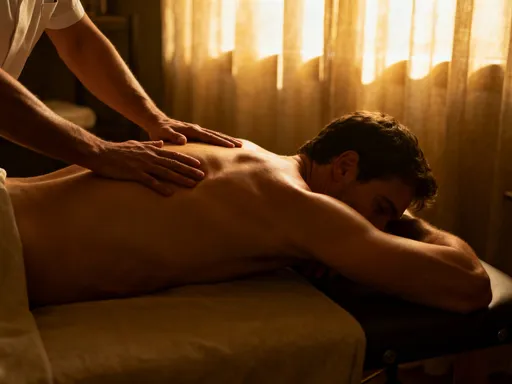
During the session, proper draping is standard practice. Only the area being worked on is exposed, and the rest of the body remains covered with sheets or towels. This protects privacy and helps maintain body temperature, which supports relaxation. You are always in control of your comfort level. A reputable therapist will check in about pressure, ask if you are experiencing pain, and adjust based on your feedback. Communication is not just encouraged—it is expected.
Pressure should never cross the line into pain. While some techniques may feel intense, especially in tight areas, the sensation should remain within a tolerable range. The phrase “no pain, no gain” does not apply to massage. Excessive pressure can cause microtrauma, increase inflammation, and trigger protective muscle guarding, which defeats the purpose of the treatment. If a therapist dismisses your discomfort or insists on pushing through pain, it is a red flag.
Another warning sign is the promise of “fixing” structural issues like scoliosis or herniated discs. While massage can help manage symptoms related to these conditions, it cannot correct anatomical changes. Therapists are not medical doctors, and they should not diagnose or claim to cure medical conditions. Their role is to support comfort, mobility, and recovery within their scope of practice. If you are dealing with a diagnosed condition, the best approach is collaboration between your healthcare provider and your therapist.
Professional credentials matter. Look for therapists who are licensed or certified by a recognized body in your region. This ensures they have completed required training in anatomy, physiology, and ethics. It also means they adhere to standards of conduct and continuing education. Avoid practitioners who work in unregulated settings or who cannot provide information about their training. Your body deserves care that is both skilled and respectful.
Building a Routine That Fits Real Life
Consistency is more important than intensity when it comes to massage therapy. A single session may provide temporary relief, but lasting benefits come from regular care. The ideal frequency depends on individual needs, lifestyle, and budget. For general maintenance, many people find that monthly sessions help keep tension from building up. Others, especially those with chronic pain or high physical demands, may benefit from biweekly visits. The goal is not perfection but sustainability—finding a rhythm that supports your body without becoming a burden.
Integrating massage with other healthy habits enhances its impact. Movement is a natural partner: regular stretching, walking, or yoga helps maintain the improvements gained during a session. Hydration supports the body’s ability to flush out metabolic waste, making recovery more efficient. Quality sleep allows for deeper healing, as tissue repair occurs primarily during rest. When combined, these habits create a compounding effect—each one reinforcing the others.
Budget is a real concern for many families, and massage does not have to be expensive to be effective. Shorter sessions—such as 30 or 45 minutes—can focus on specific areas like the neck, shoulders, or lower back and still provide meaningful relief. Some clinics affiliated with massage therapy schools offer discounted rates for services performed by students under supervision. These sessions are often thorough and well-supervised, providing quality care at a lower cost.
Self-care between sessions also plays a valuable role. Simple practices like using a foam roller on tight muscles, applying heat to stiff areas, or doing gentle neck and shoulder stretches can extend the benefits of professional massage. Over-the-counter tools like massage balls or handheld massagers can help release small trigger points at home. While they do not replace skilled hands, they help maintain progress and increase body awareness.
The most effective routine is one that feels manageable. It does not require weekly luxury spa visits or hours of self-maintenance. It simply requires intention—making time for your body the way you make time for your family, your home, and your responsibilities. When massage becomes part of your self-care rhythm, it stops being an indulgence and starts being a commitment to long-term well-being.
When to Talk to a Doctor First
While massage is safe for most people, there are situations where medical guidance is essential. Certain conditions require clearance from a healthcare provider before beginning massage therapy. These include, but are not limited to, blood clotting disorders, recent fractures, open wounds, active infections, and severe osteoporosis. In these cases, massage could pose risks such as dislodging a clot, aggravating a fracture, or spreading infection.
Cancer patients should consult their oncologist before receiving massage. While massage can be beneficial during treatment—helping with stress, fatigue, and circulation—certain techniques or areas may need to be avoided depending on the treatment plan. For example, deep pressure is generally not recommended during chemotherapy, and work near tumor sites may be restricted. However, gentle, specialized oncology massage is available and can be a valuable part of supportive care when administered by a trained therapist.
Individuals with chronic conditions such as diabetes, heart disease, or multiple sclerosis should also inform both their doctor and therapist. These conditions can affect circulation, skin sensitivity, and nerve function, which may influence how massage is delivered. For example, someone with diabetic neuropathy may have reduced sensation in their feet, requiring extra care to avoid injury. A collaborative approach ensures that massage is both safe and beneficial.
Rehabilitation after injury or surgery is another area where coordination between professionals is key. Physical therapists and massage therapists often work together to support recovery. While physical therapy focuses on restoring function through exercise and movement, massage can help reduce muscle guarding, improve tissue mobility, and ease discomfort. When both are used appropriately, they complement each other and can speed up the return to normal activity.
The guiding principle is simple: massage is a supportive practice, not a substitute for medical treatment. It works best when integrated into a broader health plan that includes professional medical care. By communicating openly with both your doctor and your therapist, you create a team that supports your whole well-being.
Conclusion
Massage therapy, when aligned with health standards, becomes more than a treat—it’s a tool for maintaining bodily harmony. It won’t cure disease, but it can help your body function at its best. By understanding its role, choosing wisely, and integrating it responsibly, you support long-term well-being. The real win isn’t just relief—it’s resilience. When you invest in regular, informed care, you send a message to your body: you matter. And over time, that message shows up in how you move, how you sleep, and how you carry yourself through the demands of daily life. This is not about luxury. It’s about honoring the body’s quiet language—and giving it the attention it deserves.