Feast Under the Stars: Brasília’s Festival Food Magic
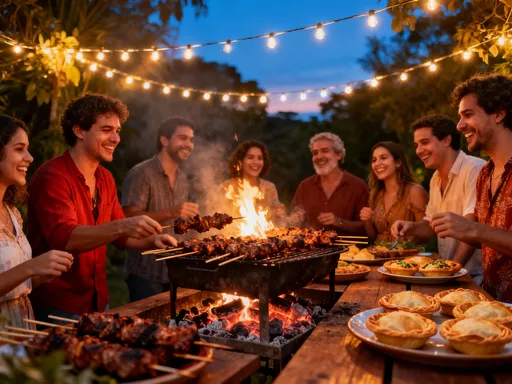
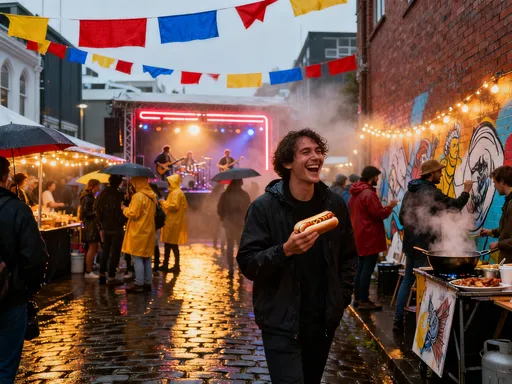
Have you ever tasted a city’s soul? In Brasília, it happens during festival season, when sizzling grills light up the night and the air hums with laughter and music. Far from cold modernist architecture, the real heart of Brazil’s capital beats in its food festivals—where tradition, flavor, and community come alive. I joined locals in open-air feasts, sampling pastéis, churrasco, and sweet quentão under golden lights. This isn’t just eating—it’s celebration, connection, and culture on a plate. In a city designed with precision and order, these spontaneous bursts of joy reveal a deeper truth: Brasília’s spirit isn’t found in blueprints, but in shared meals beneath starlit skies.
The Unexpected Soul of Brasília: Beyond Architecture
Brasília is often celebrated for its bold 20th-century urban design, a UNESCO World Heritage site shaped by modernist visionaries like Lúcio Costa and Oscar Niemeyer. Its sweeping curves and monumental buildings are iconic, yet they tell only part of the story. For much of the year, the city can feel quiet, even austere, with wide avenues and planned sectors that prioritize function over intimacy. But when festival season arrives, everything changes. Public plazas, parks, and neighborhood squares transform into vibrant stages of life, where music spills into the streets and the scent of grilled meat and spiced wine fills the air.
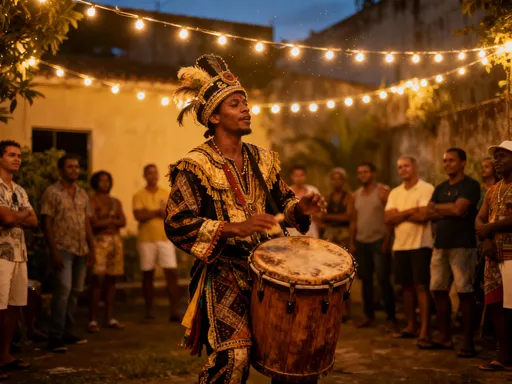
These cultural gatherings reveal a side of Brasília rarely highlighted in travel guides. Unlike cities where festivals cater primarily to tourists, Brasília’s celebrations are deeply rooted in local life. They are organized by community associations, churches, and neighborhood groups, drawing families, friends, and generations together in shared joy. The city’s rigid structure softens, giving way to organic, heartfelt expression. In places like the Sudoeste or Samambaia districts, residents reclaim public spaces, stringing up colored lights and setting up long wooden tables where strangers become companions over plates of hot, freshly made food.
One of the most beloved traditions is the festas juninas, or June Festivals, which honor rural Brazilian culture with folk dances, bonfires, and traditional dress. Though originally tied to Catholic saints like Saint John and Saint Anthony, these events have evolved into inclusive celebrations of national identity. In Brasília, they also serve as a cultural bridge, connecting the city’s diverse population—many of whom migrated from the Northeast and other regions—to their roots. The festivals are not reenactments; they are living traditions, constantly shaped by the people who participate. In this way, food becomes more than sustenance—it becomes memory, identity, and belonging.
Festival Culture as a Culinary Stage
In Brasília, food is not merely served—it performs. During major celebrations, especially the June Festivals, the city becomes a vast open-air theater where cuisine takes center stage. Vendors and home cooks prepare dishes that reflect Brazil’s rich regional diversity, particularly from the Northeast, where many of Brasília’s residents trace their ancestry. The air fills with the earthy aroma of clay pots simmering with canjica, a sweet hominy pudding flavored with cinnamon and coconut milk, and pamonha, a creamy corn paste wrapped in husks and slow-cooked over fire.
These dishes are more than recipes—they are acts of cultural preservation. Milho verde, or fresh corn, appears in countless forms: roasted, boiled, or ground into dough for savory and sweet preparations. At festival stalls, it is often served on the cob with a sprinkle of salt and a squeeze of lime, its golden kernels glistening under string lights. The preparation methods—using clay ovens, wood-fired grills, and handmade utensils—connect the present to a rural past, honoring the agricultural traditions that once defined Brazilian life.
The transformation of public space during these events is striking. Wide sidewalks and open lawns give way to winding lanes of food vendors, each stall offering a sensory experience. The crackle of grills, the rhythmic pounding of mortars, and the bubbling of large cauldrons create a symphony of sound and scent. Sugarcane presses churn out fresh green juice, while smoke from charcoal pits curls into the night sky. This temporary urban landscape becomes a living map of Brazil’s culinary geography, where a single evening can take you from the flavors of Bahia to the heartland of Minas Gerais.
What makes this culinary display so powerful is its authenticity. Unlike commercial food halls or themed restaurants, festival food in Brasília is not curated for aesthetic appeal or Instagram moments. It is made by people who cook because they love to, using techniques passed down through generations. The result is food that feels personal, even sacred—a reminder that celebration and nourishment are inseparable in Brazilian culture.
Where to Eat: From Pop-Up Stalls to Community Hubs
The best festival food in Brasília is rarely found in permanent restaurants or shopping centers. Instead, it emerges in temporary setups that appear almost overnight, transforming ordinary spaces into culinary destinations. One of the most popular gathering spots is Areninha do Sudoeste, a small sports field turned festival ground during major events. On regular days, it hosts casual soccer games and weekend barbecues, but during the June Festivals, it becomes a bustling food village, with dozens of vendors lining the perimeter and families spreading out picnic blankets on the grass.
Another key location is Parque da Cidade, one of the largest urban parks in Latin America. During holiday weekends, its open fields are dotted with clusters of food stalls, live music stages, and children’s activities. The park’s natural beauty—rolling lawns, tree-lined paths, and serene lakes—provides a peaceful backdrop to the lively festivities. Here, visitors can wander from stall to stall, sampling regional specialties while listening to forró, a traditional Northeastern dance music that invites everyone to the dance floor.
What sets these spaces apart is their accessibility and inclusivity. The vendors are often local families or community collectives, many of whom travel from satellite towns like Taguatinga, Ceilândia, and Gama to participate. They bring with them recipes and ingredients from their home regions, creating a true mosaic of Brazilian flavors. A stall in the Sudoeste might serve pastel de feira, a crispy fried pastry filled with cheese, heart of palm, or ground beef, while another offers caldo de cana, fresh sugarcane juice served over ice with a splash of lime.
These informal setups offer an authenticity that polished food courts cannot replicate. There are no corporate logos, no standardized menus—just handmade signs, wooden tables, and the warmth of human connection. Prices are modest, making the experience welcoming to people of all income levels. For many families, attending a festival is not just a treat—it’s a tradition, a way to celebrate together without financial strain. In this sense, the food is not just delicious; it is democratic.
Must-Try Festival Dishes and Drinks
No visit to a Brasília festival is complete without tasting its signature dishes and drinks, each offering a window into Brazil’s culinary soul. Churrasco, the famed Brazilian barbecue, is everywhere—skewers of beef, chicken, and sausage sizzling over open flames, served with farofa (toasted cassava flour) and vinagrete (a tangy tomato and onion relish). But beyond the familiar, the real treasures lie in the lesser-known specialties that reflect the city’s cultural diversity.
One such gem is the tapioca crepe, a delicate pancake made from cassava starch, popular in the Northeast. At festivals, it is often filled with a combination of fresh cheese and sweet coconut, creating a perfect balance of salty and sweet. Cooked on a flat griddle, the crepe develops a slightly crisp edge while remaining soft and chewy inside. Watching a vendor prepare it—spreading the batter in swift circular motions, adding fillings with practiced hands—is a performance in itself.
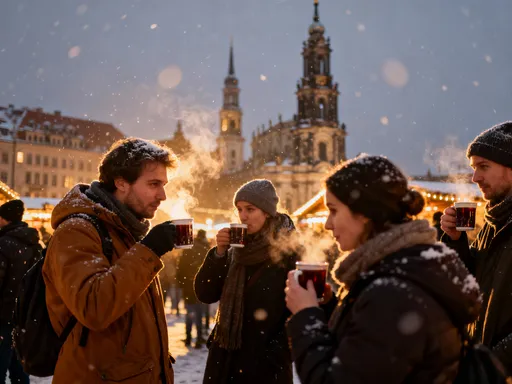
Another must-try is quentão, a spiced hot drink traditionally served during the winter months. Made with cachaça (sugarcane liquor), ginger, cloves, cinnamon, and sugar, it is simmered in large pots and served in clay cups that retain heat. Despite Brasília’s warm climate, quentão is a festival staple, its warming spices evoking the cozy bonfires of rural Brazil. For those who prefer non-alcoholic options, caipirinha de guaraná—a mocktail version made with the Amazonian soft drink—offers a refreshing alternative.
Sweet endings are equally memorable. Bolo de rolo, a thin, layered cake from Pernambuco, is rolled like a jelly roll and filled with guava paste. Its intricate preparation—rolling the dough paper-thin, spreading the filling evenly, and rolling it tightly without breaking—is a testament to patience and skill. Even simpler treats, like milho cozido (boiled corn on the cob), carry emotional weight when eaten under fairy lights, surrounded by laughter and music. These dishes are not just food—they are stories, memories, and acts of love made edible.
How to Join the Celebration: Timing and Tips
Planning a visit around Brasília’s festival calendar can turn a simple trip into a profound cultural experience. The two peak seasons are June and December, when major celebrations draw locals and visitors alike. The June Festivals, running throughout the month, are the most widespread, with events in nearly every administrative region. December brings holiday festivities, including New Year’s Eve gatherings and community Christmas parties, often centered around food and music.
For the best experience, locals recommend arriving early. Popular food zones can become crowded by mid-evening, and seating is often limited to picnic tables or open grassy areas. Getting there by late afternoon allows time to explore, claim a good spot, and enjoy the gradual build of energy as the sun sets. Comfortable footwear is essential—many festival sites involve walking on uneven ground or standing in lines at busy stalls.
Light, breathable clothing is advisable, especially in December when temperatures can rise. While Brasília has a dry climate, evenings during the festival season are pleasantly cool, making outdoor dining enjoyable. Another practical tip: bring cash. Although some larger events now accept digital payments, many small vendors operate on a cash-only basis. Having small bills on hand makes transactions smoother and supports informal economy workers directly.
For those seeking a more authentic, grassroots experience, venturing beyond the central sectors is highly recommended. Satellite towns like Taguatinga and Ceilândia host some of the most vibrant and community-driven festivals, where the focus is on participation rather than spectacle. These neighborhoods often feature local music performances, craft markets, and cooking demonstrations, offering a fuller picture of everyday life in the capital region. By engaging with these local events, visitors move beyond the role of observer and become part of the celebration.
The People Behind the Food: Stories from Local Cooks
The magic of Brasília’s festival food lies not just in the dishes, but in the people who prepare them. These are not corporate franchises or professional caterers, but individuals—often women—who pour their hearts into every meal. Many learned their recipes from mothers and grandmothers, preserving flavors that might otherwise disappear in a rapidly modernizing world. Their kitchens are not commercial spaces, but home stoves where tradition is kept alive through daily practice.
In Ceilândia, a vendor known affectionately as Dona Marta has been making acarajé for over thirty years. This Afro-Brazilian dish, made from black-eyed peas ground into a paste and deep-fried in palm oil, is traditionally associated with Bahia. Every festival morning, she rises before dawn to prepare the beans by hand, using a stone grinder passed down from her grandmother. She fries each ball fresh, stuffing it with vatapá (a creamy shrimp and bread mixture), caruru (okra stew), and fresh salad. Her stall is more than a business—it’s a cultural mission.
Conversations at her table often turn into impromptu storytelling sessions. Younger attendees ask about the origins of the dish, while elders reminisce about childhood festivals in the Northeast. Dona Marta sees her role as both cook and educator, ensuring that younger generations understand the history behind the food. “This isn’t just about taste,” she says. “It’s about memory. Every bite carries a journey.”
Her story is not unique. Across the city, countless women and family teams dedicate their time and energy to keeping culinary traditions alive. Some specialize in quentão, others in handmade pastries or regional stews. Their presence transforms festivals from mere events into living museums of culture. When you eat their food, you’re not just consuming a meal—you’re participating in a legacy. The warmth of the dish is matched only by the warmth of the person who made it.
Why Festival Food Matters: Culture, Identity, and Belonging
In a city often criticized for its lack of soul, food festivals perform a quiet but powerful act of restoration. Brasília was built from scratch in the late 1950s, a symbol of modernization and progress. But its planned nature—its wide avenues, uniform sectors, and monumental architecture—has sometimes led to accusations of being cold or impersonal. Festival food challenges that perception, proving that humanity and history can flourish even in the most structured environments.
These gatherings create spaces where diverse Brazilians—migrants, civil servants, artists, and laborers—come together as equals. There are no VIP sections, no dress codes, no barriers to entry. A judge from the Supreme Court might stand in line beside a street vendor, both waiting for the same plate of pamonha. In these moments, social hierarchies dissolve, replaced by a shared sense of belonging. The act of eating together becomes a quiet revolution, affirming that community is not defined by status, but by connection.
For younger generations, these festivals are vital. They offer a way to learn about heritage through taste, touch, and sound. A child who helps grind corn for canjica or dances to forró music is not just having fun—they are absorbing cultural knowledge in its most natural form. Parents and grandparents use these moments to pass down stories, values, and recipes, ensuring that identity is not lost in the pace of modern life.
For visitors, the experience is equally transformative. It offers a rare, unfiltered look at Brazilian life beyond stereotypes of Carnival, beaches, and favelas. To taste Brasília’s festival food is to understand that culture thrives not in grand monuments, but in the simple, joyful act of sharing a meal. It is a reminder that the most meaningful travel experiences are not about seeing sights, but about feeling belonging. In the end, the true magic of Brasília’s festivals is not in the food itself, but in what the food makes possible: connection, memory, and the enduring power of community.