You Won’t Believe These Hidden Cultural Gems in Recife
When I first arrived in Recife, I expected sun and sand—but what I found was a cultural underground too wild to ignore. Tucked behind colonial walls and local markets are artistic hubs pulsing with Afro-Brazilian rhythm, street murals that tell centuries of stories, and performance spaces where tradition dances with rebellion. This isn’t just tourism; it’s immersion. If you’re chasing authenticity over clichés, Recife’s secret cultural venues will blow your mind. Let me take you where guidebooks don’t.
The Soul of Recife: Why Culture Lives Beyond the Tourist Trail
Recife, the vibrant capital of Pernambuco in northeastern Brazil, is often reduced to its postcard-ready beaches and tropical climate. Yet beneath this surface lies a cultural tapestry woven from centuries of Indigenous, African, and Portuguese influence. While Boa Viagem Beach draws crowds with its golden sands and ocean views, the city’s true essence hums in its lesser-known corners—places where maracatu drums echo at dawn, where frevo dancers spin under streetlights, and where community elders pass down oral histories in quiet courtyards. These are not staged performances for tourists but living traditions embedded in daily life.
The strength of Recife’s cultural identity comes from resilience. During the colonial era, enslaved Africans brought rhythms, languages, and spiritual practices that merged with local Indigenous traditions and Portuguese structures. Over time, this fusion gave birth to unique art forms such as maracatu, a ceremonial procession blending West African coronation rituals with Catholic pageantry, and frevo, a high-energy dance style born in the city’s carnival celebrations. Today, these traditions are preserved not in textbooks but in neighborhood associations, family-led rehearsals, and grassroots collectives that operate far from commercial tourism circuits.
For the thoughtful traveler, especially one seeking meaningful experiences over curated attractions, understanding this deeper cultural layer transforms a visit into something profound. It shifts the focus from sightseeing to witnessing—observing how identity is lived, celebrated, and protected. When you step into a community rehearsal space in the early evening and see children learning drum patterns passed down through generations, you’re not watching a show. You’re being invited, however briefly, into a lineage. This kind of connection cannot be bought or scheduled—it must be approached with respect, openness, and a willingness to listen.
Olinda’s Shadow: Cultural Hotspots Just Outside the Spotlight
Nearby Olinda, a UNESCO World Heritage Site, often steals the spotlight with its colorful colonial houses and cobblestone streets. Its fame can make Recife seem like a mere gateway—but this perception couldn’t be further from the truth. Just across the Capibaribe River, neighborhoods like São José and Recife Antigo pulse with creative energy, housing intimate theaters, independent galleries, and revitalized historic buildings that now serve as cultural centers. These spaces blend architectural heritage with contemporary expression, offering locals and curious visitors alike a chance to engage with art in authentic, accessible ways.
One such gem is the Caixa Cultural Recife, housed in a beautifully restored early 20th-century bank building. With its soaring ceilings and neoclassical façade, the venue hosts rotating exhibitions of photography, painting, and sculpture, often spotlighting regional artists whose work reflects social themes and historical memory. Admission is typically free, reinforcing its role as a public resource rather than an elite institution. Similarly, the Museu do Estado de Pernambuco, located in the opulent Solar do Barão de Souza Leão, presents collections spanning colonial art, historical artifacts, and temporary installations focused on Afro-Brazilian contributions to regional culture.
What makes these institutions special is their integration into the urban fabric. They aren’t isolated museums tucked behind velvet ropes but open, breathing parts of the city. Visitors might stumble upon a classical guitar concert in a sunlit courtyard or a poetry reading in a side gallery. The programming is diverse, yet consistently rooted in local narratives. For a woman in her 40s or 50s traveling solo or with family, these venues offer a calm yet enriching alternative to crowded tourist spots—places where she can sit, reflect, and absorb the city’s intellectual and artistic currents without feeling rushed or out of place.
Street Art as Storytelling: Murals That Speak the Truth
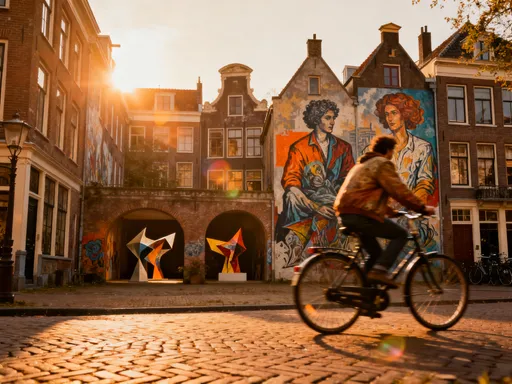
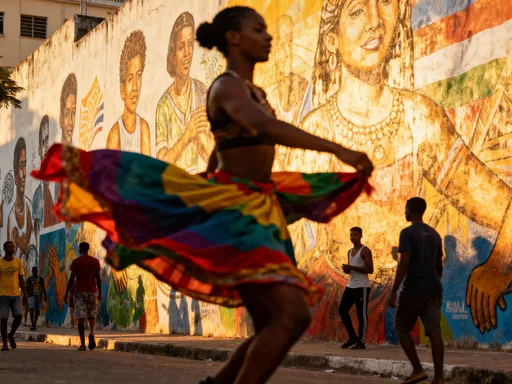
In Recife, walls talk. They don’t just decorate—they declare. Across neighborhoods like Pina, Várzea, and Brasília Teimosa, large-scale murals transform ordinary buildings into powerful visual narratives. These aren’t random graffiti tags or abstract designs made for aesthetic appeal. Instead, they are deliberate acts of storytelling, created by local collectives who use public art to celebrate Black resistance, honor Indigenous heritage, and advocate for social justice. Each mural is a chapter in an open-air archive, chronicling struggles, triumphs, and the enduring spirit of community.
Brasília Teimosa, a coastal community with deep Afro-Brazilian roots, is particularly renowned for its politically charged murals. Artists collaborate closely with residents to ensure the images reflect real stories—of fishing traditions passed down through generations, of women leading neighborhood movements, of youth demanding better education and opportunity. One striking mural depicts a woman in traditional dress standing before the ocean, her arms outstretched as waves carry ancestral symbols. It’s both a tribute and a statement: we are still here, we remember, and we resist erasure.
Walking through these neighborhoods feels like reading history through color and form. The murals are not static; they evolve with the community. Some are repainted after storms, others expanded as new chapters unfold. For visitors, this offers a rare chance to witness art as a living, communal process rather than a finished product. It also invites reflection: What stories does your own community tell? How are they preserved? Engaging with these works—by learning their meanings, supporting local artist cooperatives, or simply viewing them with respect—becomes a quiet act of solidarity.
Rhythm in the Backstreets: Where Music Is Born, Not Performed
If you want to hear the soul of Recife, don’t go to a concert hall. Go to a backyard. Go to a neighborhood square at dusk. The city’s most powerful music doesn’t happen on stages with spotlights—it emerges in informal gatherings called *tercéis* and *clubinhos*, where families and neighbors come together to rehearse, celebrate, and keep traditions alive. These intimate spaces are the incubators of maracatu, coco de roda, ciranda, and other Afro-Brazilian musical forms that define the region’s sonic identity.
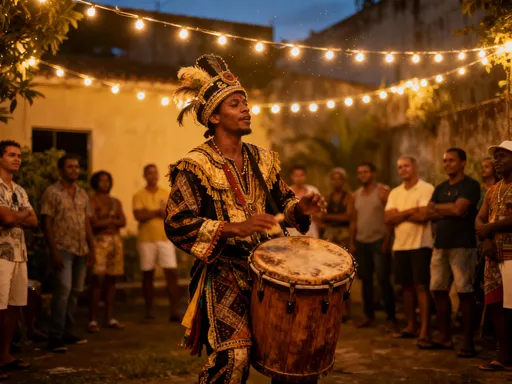
Maracatu, in particular, is more than music—it’s a spiritual and cultural practice. Rooted in the coronation ceremonies of African kings during the colonial period, it features a procession led by a queen and king, accompanied by a powerful percussion ensemble known as the *batuque*. The rhythm is deep, resonant, and hypnotic, designed to invoke ancestral presence. Rehearsals often begin late in the evening and can last for hours, drawing in children, elders, and passersby who clap along or join the dance. These gatherings are not for entertainment but for continuity—teaching the next generation how to carry the rhythm forward.
Similarly, *coco de roda* and *ciranda* are communal circle dances where lyrics often tell stories of love, labor, and resistance. In the neighborhood of Sítio dos Pintos, it’s common to hear the call-and-response vocals drifting through alleyways on weekend nights. Visitors are often welcomed, provided they come with humility and don’t disrupt the flow. This isn’t a performance for cameras; it’s a shared moment of cultural affirmation. For a woman who values connection and authenticity, being quietly present at such a gathering can be one of the most moving experiences of a lifetime—not because it’s exotic, but because it’s real.
Cultural Centers with a Mission: Art With Purpose
Some of Recife’s most impactful cultural spaces were born from transformation. Take the Casa da Cultura, once a notorious prison known as the Antigo Presídio Barão de Cotegipe. Today, its former jail cells have been repurposed into artisan workshops and small galleries, creating a vibrant marketplace for local crafts. Visitors walk down corridors where iron bars once confined prisoners, now displaying handmade lace, wood carvings, ceramics, and capoeira instruments. The contrast is powerful—a place of punishment reborn as a hub of creativity and economic empowerment.
Another example is the Centro Cultural Malícia, a community-driven initiative in the Morro da Conceição neighborhood. Founded by local artists and educators, the center offers free workshops in capoeira, percussion, visual arts, and traditional crafts. Its mission is clear: to preserve cultural heritage while providing youth with constructive alternatives to street violence and poverty. Classes are open to all, fostering intergenerational exchange and community pride. Parents bring their children, elders share stories, and everyone contributes to a shared sense of belonging.
These centers are not museums frozen in time. They are dynamic, evolving spaces where culture is practiced, not just displayed. They reflect a broader shift in how communities value their own traditions—not as relics of the past, but as living tools for education, healing, and identity. For travelers, supporting these spaces by purchasing handmade goods or attending a workshop is more than shopping or sightseeing. It’s a way to contribute to sustainability and dignity, ensuring that culture remains in the hands of those who created it.
How to Experience It Right: A Traveler’s Guide to Respectful Exploration
Engaging with Recife’s hidden cultural gems requires more than curiosity—it demands mindfulness. These spaces are not theme parks or photo opportunities. They are part of people’s lives, identities, and histories. To visit them with integrity, travelers should approach with humility, preparation, and a genuine desire to understand rather than consume.
Start with language. While many younger Brazilians speak some English, older generations and community leaders often communicate only in Portuguese. Learning a few basic phrases—like “Bom dia,” “Obrigada,” and “Posso tirar uma foto?”—goes a long way in building rapport and showing respect. Simple efforts signal that you’re not just passing through but making an effort to connect.
Photography etiquette is equally important. Always ask permission before photographing people, especially during rituals or rehearsals. In many communities, images are not just personal—they are spiritual. Capturing them without consent can feel like a violation. When in doubt, put the camera away and simply be present. The memory of a shared smile, a rhythmic chant, or the scent of acarajé frying in a street kitchen will stay with you longer than any snapshot.
Timing your visit around cultural festivals can deepen your experience. Carnaval in Recife is world-famous, but lesser-known events like the Festival de Inverno de Garanhuns—held in a nearby mountain town each July—offer rich programming in music, theater, and dance, much of it rooted in regional traditions. These moments bring communities together and open doors to experiences that are otherwise private. Planning your trip around such events increases your chances of witnessing culture in full bloom.
Finally, support local economies directly. Buy art from the artists, eat at family-run eateries, and hire local guides when possible. This kind of tourism ensures that your presence benefits the community rather than just multinational tour operators. It turns travel into reciprocity.
Why This Changes Everything: The Future of Travel Is Authentic
Recife’s hidden cultural venues offer more than entertainment—they offer a new way to travel. One that values connection over convenience, depth over decoration, and respect over spectacle. In an age of mass tourism and cookie-cutter experiences, these spaces remind us that the most rewarding journeys are those that allow us to see the world through someone else’s eyes.
When we step off the beaten path—not to escape crowds, but to enter real life—we stop being spectators and become participants. We learn that culture is not something you observe from a distance. It’s something you feel in the rhythm of a drum, taste in a shared meal, and hear in the laughter of children learning a traditional dance. These moments don’t just enrich a trip; they change how we see the world and our place in it.
For women in their 30s, 40s, and 50s—many of whom travel not just for relaxation but for meaning—Recife’s cultural heart offers something rare: authenticity. It’s a chance to engage with communities that have preserved their heritage against all odds, to witness resilience in action, and to return home not just with souvenirs, but with stories that matter.
The future of travel isn’t about visiting more places. It’s about understanding them more deeply. Recife teaches us that the most powerful destinations aren’t the ones that look perfect in photos, but the ones that touch your soul. So the next time you plan a trip, ask yourself: Do I want to see the world, or do I want to know it? The answer might just lead you to a backstreet in Recife, where the music never stops, and the culture is alive in every heartbeat.