This Is Why the Lake District’s Wild Corners Are Worth Exploring
You know that feeling when nature just takes your breath away? That’s the Lake District. Hidden valleys, shimmering lakes, and peaks that whisper secrets of ancient stone. As a protected landscape, it’s not just beautiful—it’s preserved for moments like these. I walked paths where silence reigns, saw herds roam free, and realized how rare true wildness has become. This isn’t just a getaway; it’s a reminder of what Earth once was—and can still be.
Discovering the Heart of the Lake District
The Lake District, nestled in the northwest of England, is more than a postcard-perfect escape—it is a living testament to the harmony between human stewardship and natural grandeur. Spanning over 900 square miles, this region is England’s largest national park, established in 1951 to protect its fragile ecosystems and cultural heritage. In 2017, it earned UNESCO World Heritage status, not only for its breathtaking scenery but also for its cultural landscape—a designation that honors centuries of farming traditions, stone-built settlements, and literary connections from Wordsworth to Beatrix Potter. These layers of history and nature intertwine, creating a destination that feels both timeless and urgently relevant.
From the moment one steps onto the fells, the landscape speaks of deep time. Glaciers carved the U-shaped valleys during the last Ice Age, leaving behind ribbon lakes like Windermere, Ullswater, and Wastwater, each cradled by steep, heather-clad slopes. The fells rise like ancient sentinels, their rounded summits softened by moss and lichen, offering panoramic views that stretch across a patchwork of woodlands, pastures, and shimmering water. Yet beyond the beauty lies a careful balance. The Lake District is not frozen in time; it is actively managed, protected, and nurtured by a network of conservationists, farmers, and park authorities who ensure that its wild character endures.
What sets the Lake District apart is its duality: it is both a beloved destination for millions and a sanctuary for rare species and delicate ecosystems. This tension is not a flaw—it is a challenge that defines modern conservation. The region welcomes over 15 million visitors annually, drawn by its literary legacy, walking trails, and serene waters. But with popularity comes pressure. Erosion from foot traffic, pollution from vehicles, and the strain on local infrastructure threaten the very qualities that attract people in the first place. The answer lies not in exclusion, but in thoughtful access—ensuring that every visitor can experience the landscape without diminishing it for future generations.
Why Protection Matters Here
The Lake District’s protected status is not merely symbolic; it is essential for the survival of its unique biodiversity. This landscape supports a web of life that has adapted to its cool, wet climate and rugged terrain. Among the most iconic species is the red squirrel, a native rodent now endangered across much of the UK due to competition from the invasive grey squirrel. In the Lake District, conservation efforts—including targeted culling of greys and habitat restoration—have helped maintain one of the country’s strongest red squirrel populations, particularly in woodlands around the Lake District’s eastern fringes.
Birdlife thrives here as well. Ospreys, once extinct in England, have made a remarkable comeback since their re-colonization in the 1960s. Today, they nest annually near Bassenthwaite Lake, drawing birdwatchers from across Europe. Their presence is a sign of healthy aquatic ecosystems, as they rely on clean, fish-rich waters to feed their young. Other protected species include the peregrine falcon, the curlew, and the elusive otter, all of which depend on undisturbed riverbanks, moorlands, and woodlands. Even the hardy Herdwick sheep, a breed native to the region, plays a crucial role in maintaining the landscape. Grazed traditionally by local farmers, these sheep prevent scrub encroachment and support the growth of wildflowers and grasses that sustain insects and ground-nesting birds.
Yet these ecosystems face mounting threats. Climate change is altering rainfall patterns, leading to both prolonged droughts and sudden, intense storms that increase soil erosion and flash flooding. Over-tourism, particularly in hotspots like Ambleside and Grasmere, strains footpaths and leads to littering and habitat disturbance. In some areas, repeated foot traffic has stripped away vegetation, exposing peat soils that release carbon when damaged. This is where active conservation becomes vital. Organizations such as the National Trust, the RSPB, and the Lake District National Park Authority are engaged in long-term projects to restore damaged areas. In Ennerdale, for example, a rewilding initiative known as the “Wild Ennerdale” project has allowed native woodlands to regenerate naturally, removed non-native conifers, and reintroduced natural river processes. The result is a landscape that is gradually returning to a more self-sustaining state, where nature leads the way.
Off-the-Beaten-Path: Hidden Valleys and Secret Lakes
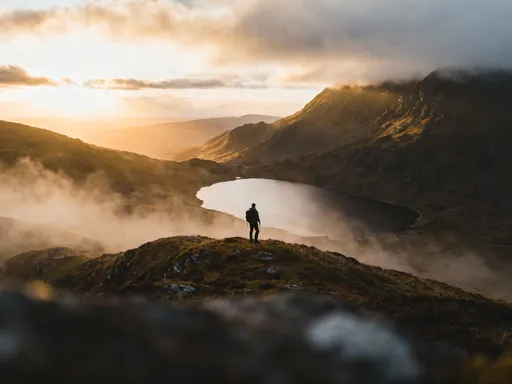
While the central Lake District draws the crowds, its quieter corners offer a different kind of magic—one defined by solitude, silence, and a sense of discovery. Venture beyond the well-trodden trails of Helvellyn or Scafell Pike, and you’ll find valleys where the only sounds are the wind through bracken, the distant call of a raven, and the gentle lap of water against stone. Mardale, once home to a small village submerged beneath Haweswater Reservoir, is now a place of quiet reflection. The old stone walls of Mardale Head emerge from the water at low levels, ghostly reminders of a community that once thrived in this remote valley. Walking here feels like stepping into a forgotten chapter of history, where nature has slowly reclaimed what was lost.
Further south, Langstrath Beck winds through a narrow, rocky gorge flanked by towering fells. This is the kind of place where footpaths fade into sheep tracks, and navigation requires attention to the contours of the land. On a misty morning, the valley is shrouded in silver, the sound of the beck echoing off wet stone. Curlews call from the high ground, their haunting cries adding to the sense of timelessness. There are no cafes here, no gift shops, no marked viewpoints—only the raw beauty of unspoiled terrain. These hidden corners are not just scenic; they are ecologically significant. They serve as refuges for species that cannot survive in more disturbed areas, and they offer visitors a rare opportunity to experience true wilderness within easy reach of urban centers.
Another lesser-known gem is Buttermere’s northern edge, where the path to Scale Force—the tallest waterfall in the Lake District—leads through ancient woodland dappled with sunlight. Fewer than 5% of visitors to the area make the steep climb to the falls, preferring the easier lakeside strolls. But those who do are rewarded with a thunderous cascade plunging over red volcanic rock, surrounded by moss-covered boulders and ferns. The air is cool and misty, and the ground vibrates with the power of falling water. Such places remind us that wildness is not about danger or difficulty—it is about authenticity. They are preserved not for spectacle, but for the quiet moments of awe they inspire.
Walking the Line: Tourism and Preservation
The Lake District’s popularity is both a blessing and a challenge. On one hand, tourism supports local economies, sustains traditional crafts, and fosters appreciation for the natural world. On the other, unchecked visitation can degrade the very landscapes people come to enjoy. The key lies in balance—ensuring that access does not come at the cost of destruction. This is where thoughtful infrastructure and visitor education play a crucial role. Well-maintained footpaths, strategically placed signage, and managed parking areas help direct foot traffic away from sensitive habitats. Boardwalks across fragile peat bogs, such as those on the path to Helvellyn’s summit, prevent erosion and protect carbon-rich soils.
Organizations like the Fix the Fells partnership bring together park authorities, volunteers, and conservation groups to repair damaged trails and reinforce paths with stone pitching. These efforts are not just about convenience—they are about long-term sustainability. A well-built path can last decades, reducing the need for constant intervention and minimizing human impact on surrounding vegetation. Similarly, the promotion of public transport and park-and-ride schemes in towns like Keswick and Windermere helps reduce congestion and air pollution, preserving the clarity of the mountain air and the stillness of the lakes.
Equally important is the role of visitor behavior. Simple actions—staying on marked trails, carrying out litter, keeping dogs under control, and respecting grazing animals—have a cumulative effect. The Countryside Code, promoted by Natural England, provides clear guidance: leave no trace, protect wildlife, and be considerate of others. When visitors follow these principles, they become allies in conservation rather than sources of harm. Local businesses also contribute by offering eco-friendly accommodations, serving regional produce, and educating guests about sustainable practices. A growing number of inns and B&Bs have adopted green certifications, reducing energy use and waste while enhancing the visitor experience.
Seasons of Change: Experiencing the Lake District Year-Round
The Lake District transforms with the seasons, each offering a distinct character and set of experiences. Winter cloaks the fells in snow and ice, turning the landscape into a monochrome masterpiece of stone and sky. This is the quietest time of year, when villages hunker down and the lakes reflect grey clouds. For those who brave the cold, the rewards are solitude and stark beauty. Frost patterns on stone walls, frozen waterfalls, and the crunch of snow underfoot create a sensory experience unlike any other. Winter also presents challenges—shorter days, icy paths, and unpredictable weather—but with proper preparation, it can be the most rewarding season for experienced walkers.
Spring arrives tentatively, then bursts forth in waves of green. Daffodils line country lanes, lambs stumble across pastures, and the air fills with the scent of damp earth and blossoming hawthorn. This is a time of renewal, when the land awakens from its winter slumber. Woodlands come alive with bluebells, and birds return to nest in hedgerows and crags. Spring is ideal for lower-level walks, where the ground is soft but not muddy, and the views are framed by fresh foliage. It is also a critical time for conservation, as ground-nesting birds like the lapwing and curlew are especially vulnerable to disturbance. Visitors are encouraged to keep to paths and avoid walking through fields where livestock are lambing.
Summer brings long days and golden light, drawing the largest number of visitors. The lakes shimmer under clear skies, and festivals celebrate local food, music, and heritage. While the popularity can make some areas feel crowded, summer also fosters a sense of community. Farmers’ markets, outdoor theater, and guided nature walks connect people to the land in joyful ways. For those seeking peace, early mornings or late evenings offer respite—times when the light is soft and the trails are quiet. Autumn, perhaps the most poetic season, paints the fells in hues of amber, rust, and gold. Bracken turns crimson, beech woods glow in the sunlight, and mist curls around the lake edges like smoke. This is a time for reflection, for slower walks, for listening to the wind in the trees. Each season, in its own way, invites a deeper relationship with the landscape.
Local Voices: Stewards of the Land
The Lake District’s preservation is not the work of distant bureaucracies alone—it is carried forward by the people who live and work here. Farmers, many of whom are descendants of families who have tilled the same land for generations, view themselves as custodians rather than owners. They speak of the land with reverence, describing how dry stone walls are built without mortar, how sheep are moved according to the seasons, and how weather patterns are read like stories in the sky. Their knowledge is practical, passed down through decades of experience, and it plays a vital role in maintaining the open fells and species-rich meadows that define the region.
Rangers and conservation officers, employed by the National Park Authority and organizations like the National Trust, work on the front lines of protection. They monitor wildlife, repair footpaths, engage with visitors, and respond to emergencies. Their days are spent in all weathers, often in remote locations, and their commitment stems from a deep love for the landscape. They speak of moments—spotting an otter at dawn, hearing a cuckoo for the first time in spring—that remind them why their work matters. Local residents, too, take pride in their home. They organize litter picks, support conservation charities, and advocate for sustainable development. Their voices are essential in shaping policies that balance growth with preservation.
There is a quiet pride in living within a protected landscape—one that comes not from restriction, but from responsibility. These stewards understand that the Lake District’s value lies not just in its beauty, but in its continuity. They are not opposed to tourism; they welcome it, as long as it respects the land. Their message is clear: this place is not just a destination. It is a home, a heritage, and a shared trust.
How to Explore with Purpose
Exploring the Lake District with purpose means moving beyond checklist tourism—beyond ticking off peaks and snapping photos without connection. It means slowing down, paying attention, and making choices that support the landscape’s long-term health. Start with preparation: use Ordnance Survey maps or the Lake District National Park Authority’s online resources to plan routes that match your ability and minimize impact. Choose lesser-visited areas when possible, and consider walking during shoulder seasons to reduce pressure on popular trails.
When on the trail, follow the Countryside Code without exception. Stick to marked paths, especially in sensitive areas like peat bogs and upland heaths. Carry out all litter, including food wrappers and biodegradable items like apple cores, which can introduce non-native seeds. Keep dogs under close control, particularly during lambing season and in areas with ground-nesting birds. Respect farm animals and private property—close gates, avoid trampling crops, and never feed wildlife.
Support the local economy by staying in family-run accommodations, eating at village pubs that source regional ingredients, and purchasing handmade crafts. These choices sustain the communities that care for the land. Consider using public transport, cycling, or walking between destinations when possible. Many villages are connected by reliable bus services, and quiet country lanes make for safe, scenic bike routes. For longer stays, renting a cottage and exploring one area in depth allows for a more meaningful connection than rushing from place to place.
Finally, cultivate a mindset of reverence. The Lake District is not a theme park or a backdrop for social media—it is a living, breathing ecosystem shaped by centuries of human and natural history. When you walk lightly, you gain more: a clearer mind, a deeper sense of place, and the quiet hope that such wildness can endure. Every responsible choice becomes a small act of stewardship, a way of giving back to the land that gives us so much.
Reinforce the idea that true exploration means engaging deeply, not just widely. The Lake District’s protected status isn’t a restriction—it’s an invitation to witness nature’s resilience. When we walk lightly, we gain more: clarity, connection, and a quiet hope for wild places everywhere.