You Won’t Believe How Alive Wellington Gets During Festival Season
Wellington, New Zealand, isn’t just the nation’s creative heartbeat—it truly comes alive when festivals take over. I’ve never seen a city transform so completely, from quiet streets to pulsing hubs of music, art, and culture. If you’re chasing authentic experiences, this is where to be. Festival culture here isn’t just entertainment—it’s a way of life, deeply woven into the city’s identity. Let me show you why joining one could be your best travel move yet.
Why Festival Culture Defines Wellington
Wellington’s soul beats in rhythm with its festivals. As New Zealand’s self-proclaimed creative capital, the city pulses with artistic energy year-round, but it is during festival season that this identity becomes undeniable. The streets, galleries, theaters, and waterfront all become stages for expression, inviting locals and visitors alike into a shared celebration of imagination and community. Unlike larger global cities where art can feel exclusive or commercialized, Wellington’s festival culture remains grounded, accessible, and deeply inclusive. This is not spectacle for spectacle’s sake—it’s a reflection of who Wellingtonians are: innovative, passionate, and unafraid to experiment.
Festivals in Wellington are more than curated events; they are living expressions of national and local values. Creativity is honored, diversity is embraced, and innovation is expected. The city’s compact size amplifies the impact—there’s no need to travel far to go from a poetry reading in a tucked-away bookstore to an outdoor dance performance on the waterfront. Events like the biennial New Zealand Festival bring world-class performances in theater, music, and visual arts to the city, while also commissioning local artists, ensuring that homegrown talent remains central. Similarly, the Wellington Jazz Festival transforms cafes, parks, and historic buildings into intimate concert halls, proving that art does not require grand venues to be powerful.
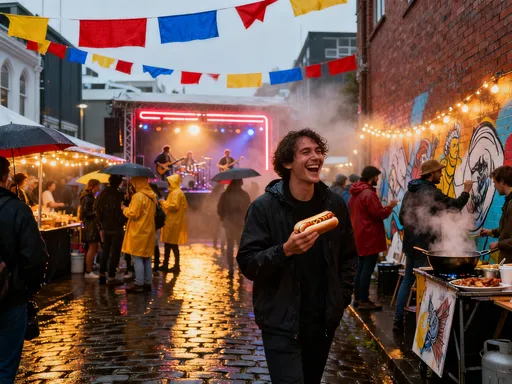
What truly sets Wellington apart is how festivals become communal experiences. They are not passive observations but participatory moments where audiences engage directly with performers, creators, and neighbors. A family might stumble upon a pop-up puppet show in a laneway, a solo traveler could join a community drum circle, or a group of friends might attend an open-air film screening under the stars at Frank Kitts Park. These interactions foster connection—not just between people, but between visitors and the city itself. When you attend a festival in Wellington, you’re not just watching culture unfold; you’re becoming part of it.
The city’s geography and climate also play a role in shaping this vibrant scene. Nestled between rugged hills and a sweeping harbor, Wellington’s natural beauty provides a dramatic backdrop for outdoor events. Even when the famous wind picks up, festival-goers adapt with good humor and practicality—windproof tents, layered clothing, and the occasional spontaneous shelter in a cozy pub. This resilience and adaptability mirror the spirit of the festivals themselves: flexible, resourceful, and full of heart. Ultimately, festival culture in Wellington is not an add-on to city life—it is city life at its most vibrant, inclusive, and alive.
Top Annual Festivals You Shouldn’t Miss
If you’re planning a trip to New Zealand and want to experience Wellington at its most electric, timing your visit around one of its major festivals is essential. Each year, the city hosts a rotating calendar of events that celebrate everything from food and music to experimental theater and street art. These festivals attract tens of thousands of visitors and locals alike, turning ordinary neighborhoods into buzzing cultural districts. While there are dozens of smaller events, a few standouts consistently draw acclaim and offer unforgettable experiences.
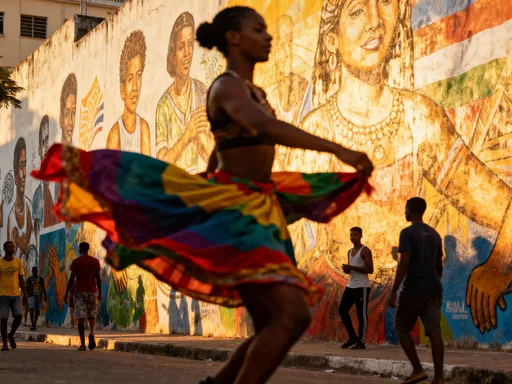
One of the most anticipated is CubaDupa, a free, two-day street festival held every spring in the vibrant Cuba Street precinct. This lively celebration transforms the entire neighborhood into an open-air stage for musicians, dancers, circus performers, and visual artists. With over 300 acts performing across multiple stages and pop-up venues, the energy is contagious. Families dance in the streets, children paint murals, and food trucks serve everything from gourmet dumplings to vegan burgers. What makes CubaDupa special is its accessibility—there’s no admission fee, and the atmosphere is welcoming to all ages and backgrounds. It’s the kind of event where you can start the day with a ukulele workshop and end it watching a fire-dancing performance as the sun sets behind the hills.
For food lovers, Wellington on a Plate is a culinary highlight that takes place each July. This month-long festival celebrates the city’s dynamic food and drink scene, featuring specially priced gourmet burgers, wine pairings, chef collaborations, and behind-the-scenes kitchen tours. Participating restaurants across the city create unique dishes, often with playful themes—past years have included everything from 'Burger Wellington' competitions to cocktail menus inspired by local legends. Beyond dining, the festival hosts events like long-table dinners in unexpected locations, such as greenhouses or abandoned warehouses, offering both great food and memorable ambiance. Whether you’re a serious foodie or simply enjoy a good meal, Wellington on a Plate offers a delicious way to connect with the city’s culture.
Another must-see is the New Zealand Fringe Festival, the country’s largest open-access arts festival. Held annually in February and March, it provides a platform for emerging and unconventional artists who might not fit into more traditional programs. Performances range from solo storytelling and experimental theater to immersive art installations and late-night cabaret. The beauty of Fringe lies in its unpredictability—shows are held in small venues like cafes, bookshops, and even shipping containers, creating an intimate and adventurous experience. Many now-famous artists got their start at Fringe, and attending feels like being on the front lines of creative discovery.
Music lovers shouldn’t miss the Wellington Jazz Festival, which unfolds over ten days each autumn. With over 100 performances in diverse locations—from historic churches to harbor-side bars—the festival blends international talent with local flair. Concerts are often affordably priced or free, making jazz accessible to everyone. The festival also includes workshops, artist talks, and jam sessions, offering deeper engagement for those who want it. Whether you’re a longtime jazz enthusiast or new to the genre, the warm acoustics and enthusiastic audiences make every performance a memorable one. Together, these festivals showcase Wellington’s incredible range—from high art to street culture, gourmet dining to grassroots creativity—all within a compact, walkable city.
How to Choose the Right Festival for Your Travel Style
With so many festivals throughout the year, selecting the right one depends on your interests, travel companions, and personal pace. Wellington’s festival calendar is diverse enough to suit nearly every traveler, but knowing what aligns with your preferences can make the experience more enjoyable and meaningful. Whether you’re traveling with family, on a romantic getaway, seeking adventure, or exploring solo, there’s a festival that fits your rhythm.
For families, CubaDupa is an ideal choice. Its daytime focus, abundance of free activities, and child-friendly performances make it perfect for parents with young children. Kids can participate in craft workshops, face painting, and interactive storytelling, while adults enjoy live music and local food. The festival’s inclusive, laid-back vibe means there’s no pressure to follow a strict schedule—families can wander at their own pace and let the day unfold naturally. Similarly, the New Zealand Festival often includes family-oriented shows, such as puppet theater and outdoor performances, making it another strong option for multigenerational travelers.
Couples seeking a romantic or culturally rich experience might prefer the Wellington Jazz Festival or Wellington on a Plate. Imagine sharing a candlelit dinner at a pop-up restaurant during the food festival, sipping locally brewed craft beer, and listening to smooth jazz by the harbor. These events offer a slower, more intimate pace, perfect for connection and conversation. The jazz festival, in particular, provides cozy venues and evening performances that create a warm, romantic atmosphere. Even attending a Fringe show together—something quirky or thought-provoking—can spark deep discussions and shared memories.
For solo travelers or those seeking adventure, the Fringe Festival offers the most exciting opportunities. Its experimental nature encourages exploration, and the small venues foster spontaneous conversations with artists and fellow attendees. Going alone allows you to follow your curiosity—attending a midnight poetry slam, joining an improv workshop, or stumbling upon a hidden performance in an alleyway. The festival’s open-access model means you’re just as likely to see a future star as you are to witness something completely unconventional. This sense of discovery is especially rewarding for independent travelers who value authenticity over spectacle.
To make your decision easier, consider a simple framework: start by identifying your top interest—food, music, theater, or street culture. Then, check the festival’s lineup and schedule in advance. Most festivals publish their programs several weeks ahead, allowing you to plan key events. Also, assess the balance of free versus ticketed events, as this can impact your budget. Finally, be honest about your energy levels—some festivals, like CubaDupa, are high-energy and crowded, while others, like the jazz festival, offer a more relaxed pace. Matching the festival’s vibe to your travel style ensures you’ll leave feeling fulfilled, not overwhelmed.
Getting There and Moving Around During Peak Times
Wellington is well-connected and easy to reach, but festival weekends bring increased traffic and demand for transport, so planning ahead is key. Most international visitors arrive via Auckland or Christchurch and connect to Wellington by domestic flight, ferry, or rental car. The flight from Auckland takes about an hour and offers stunning views of the North Island’s coastline. Alternatively, the Interislander or Bluebridge ferry from Picton in the South Island provides a scenic three-hour journey across the Cook Strait, with the final stretch delivering breathtaking views of Wellington’s harbor and hills.
Once in the city, getting around is straightforward, especially during festivals when additional services are often added. Wellington’s public transport system includes frequent buses and a commuter train network that connects suburban areas to the central city. During major events like CubaDupa or Wellington on a Plate, the city may increase bus frequency or introduce shuttle routes to manage crowds. The Metlink website and app provide real-time updates on schedules, delays, and route changes, making it easy to navigate even during peak times. Many festival hubs, such as Cuba Street, Courtenay Place, and the waterfront, are within walking distance of each other, so comfortable shoes are a must.
It’s important to note that road closures are common during large festivals, especially in the central business district and along parade routes. CubaDupa, for example, shuts down several blocks of Cuba Street to vehicles, turning the area into a pedestrian-only zone. While this enhances the festival experience, it can complicate access for those driving or using ride-sharing services. If you’re staying outside the city center, consider parking at a park-and-ride facility and taking a bus in. Alternatively, arrive early to secure parking before roads close, or use designated drop-off zones.
For those relying on taxis or ride-sharing apps like Uber, be prepared for longer wait times and higher demand during peak festival hours, particularly in the evenings. Walking or using public transport is often faster and more reliable. Cyclists will find Wellington increasingly bike-friendly, with dedicated lanes and bike racks near major venues. The city also supports shared e-scooters and e-bikes, which can be convenient for short trips between events. Ultimately, the best strategy is to stay centrally and embrace walking—this not only avoids transport hassles but also allows you to soak in the festival atmosphere as you move from one event to the next.
Where to Stay: Accommodation Tips Near Festival Hubs
Choosing the right place to stay can make a big difference in your festival experience. Proximity to event locations means less time commuting and more time enjoying performances, meals, and spontaneous discoveries. Wellington offers a range of accommodations to suit different budgets and preferences, from luxury hotels to cozy bed and breakfasts, hostels, and short-term rentals.
The most convenient neighborhoods for festival-goers are Te Aro, Courtenay Place, and Newtown. Te Aro is the heart of Wellington’s entertainment district, packed with restaurants, bars, and theaters—many of which host festival events. Staying here puts you within minutes of Cuba Street, the Michael Fowler Centre, and the St. James Theatre. Courtenay Place, just uphill, offers a mix of boutique hotels and chain accommodations, with easy access to the central business district and waterfront. Newtown, a trendy suburb to the south, is home to many artists and musicians and is a short bus ride from the city center. It’s a great option for those who want a more local feel without sacrificing convenience.
For families or travelers seeking comfort, well-rated hotels like QT Wellington or The Museum Hotel offer modern amenities, central locations, and festival-season packages. These properties often partner with event organizers, providing guests with early access to tickets or curated itineraries. Budget-conscious travelers can find clean, welcoming hostels such as Bolton Street Backpackers or Salty Dog, which also organize group outings to festival events. Short-term rentals through platforms like Airbnb are another popular choice, especially for longer stays or groups, but availability drops quickly during major festivals.
Booking early is critical. For events like the New Zealand Festival or CubaDupa, accommodations in central areas can sell out six months in advance. Travelers who wait too long may find themselves staying in distant suburbs with limited transport options. When selecting a place to stay, consider factors beyond location: reliable Wi-Fi for checking event updates, breakfast options to save time in the morning, and quiet rooms to ensure rest after busy festival days. Some properties even offer luggage storage for guests checking out on the final day of a festival, allowing you to continue exploring before departure.
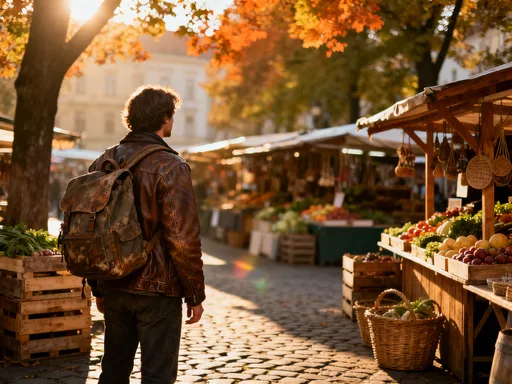
No matter your budget, staying close to the action enhances your experience. Waking up within walking distance of a morning market, grabbing coffee at a local café, and strolling to a 10 a.m. performance sets the tone for an immersive day. The convenience of returning to your room for a midday break or starting the evening with a relaxed dinner nearby adds comfort and flexibility. In a city as compact and walkable as Wellington, location truly is everything.
Making the Most of Your Festival Experience
Attending a festival in Wellington is more than just checking events off a list—it’s about embracing the moment, staying present, and allowing yourself to be surprised. The most memorable experiences often happen outside the official program: a street musician playing a haunting melody, a chance conversation with a local artist, or discovering a hidden courtyard performance. To truly make the most of your time, a few practical and mindful strategies can go a long way.
First, arrive early. Popular events, especially free ones, can fill up quickly. Getting there ahead of time ensures you secure a good spot and have time to absorb the atmosphere. It also reduces stress, allowing you to settle in rather than rushing. Bring essentials: Wellington’s weather is famously unpredictable, so a compact rain jacket or umbrella is wise. Comfortable shoes are non-negotiable—expect a lot of walking. A portable phone charger is also helpful, as you’ll likely be using your device for maps, photos, and event updates.
Use the official festival apps and maps. Most major festivals provide digital programs with schedules, venue details, and real-time updates. Download these in advance and familiarize yourself with key locations. Color-coded maps can help you plan efficient routes between events, especially when navigating temporary closures or crowded areas. Don’t feel pressured to stick to a rigid schedule—festival days are best enjoyed with some flexibility. Allow time to linger at a café, browse a craft market, or follow a street performer down an unexpected alley.
Engage with the people around you. Wellingtonians are known for their friendliness and pride in their city’s culture. Strike up a conversation with a fellow attendee, ask an artist about their work, or thank a performer after a show. These small interactions deepen your connection to the experience and often lead to unexpected recommendations—like a hidden gem of a restaurant or a last-minute pop-up event. Many festivals also offer volunteer opportunities, which can provide behind-the-scenes access and a greater sense of involvement.
Finally, balance intensity with rest. Festival days can be exhilarating but also tiring. Schedule downtime—whether it’s a quiet walk along the harbor, a visit to the Botanic Garden, or a slow lunch at a seaside café. These moments of calm allow you to reflect and recharge, making the next event even more enjoyable. Remember, the goal is not to see everything, but to experience deeply. By pacing yourself and staying open to discovery, you’ll leave Wellington not just with memories, but with a sense of having truly lived its rhythm.
Beyond the Festival: What This Culture Teaches Us About Travel
Participating in Wellington’s festival culture offers more than entertainment—it invites a different way of traveling. In an age where tourism often revolves around ticking off landmarks or chasing Instagrammable moments, festivals remind us that the heart of a place lies in its people, rhythms, and shared expressions. When you join a festival, you’re not observing from the outside; you’re stepping into the city’s daily life, if only for a few days.
This kind of immersive experience fosters deeper understanding and connection. You begin to see how creativity shapes community, how food brings people together, and how public spaces can transform into stages for joy and expression. These insights stay with you long after the final performance ends. They shift your perspective, encouraging you to seek out similar moments wherever you travel—whether it’s a local market, a neighborhood parade, or a community art project.
Wellington’s festival scene also teaches the value of spontaneity and openness. Some of the best travel memories come from unplanned moments: a dance in the street, a shared meal with strangers, a song sung under the stars. By letting go of rigid itineraries and embracing the unexpected, you allow a destination to reveal itself in its most authentic form. This is the essence of meaningful travel—not just seeing a place, but feeling it.
As you plan your next journey, consider aligning it with a local celebration. Look beyond the usual tourist seasons and seek out when a city comes alive in its own unique way. Whether it’s a music festival in Europe, a harvest celebration in Asia, or a cultural parade in the Americas, these events offer a window into the soul of a place. And if you ever find yourself in New Zealand, time your visit with Wellington’s festival season. Let the music, art, and spirit of this vibrant city remind you why travel, at its best, is not just about where you go—but how you connect.