Shutterbugs, This Hidden Gem in Nepal Will Blow Your Lens Off
Stepping into Patan, Nepal, feels like entering a living museum—every alley whispers art, every courtyard frames a photograph waiting to happen. I never expected such raw beauty tucked within ancient brick streets. From intricate temple carvings to sunlit pottery squares, Patan’s art spaces are a photographer’s dream. This isn’t just travel—it’s visual storytelling at its finest. The city breathes through its craftsmanship, religion, and daily rhythms, offering layers of texture, color, and human connection that demand to be seen, remembered, and respectfully captured. For those who carry cameras not just as tools but as witnesses, Patan is a pilgrimage worth making.
Arrival in Patan: First Impressions That Demand a Camera
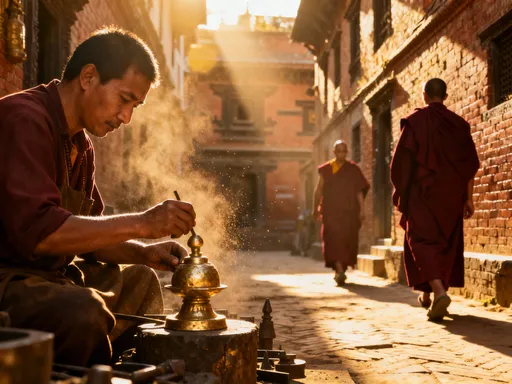
The first moment you step off the dusty road and into the heart of Patan, the air changes. It carries the faint scent of incense, hot metal, and centuries-old stone warmed by the Himalayan sun. The narrow streets, paved with uneven bricks worn smooth by generations of footsteps, open just enough to let slivers of light cut through the shadows. This is not a city designed for speed; it is built for observation. Every turn reveals a new composition: a maroon-robed monk pausing beneath a carved eaves, a child balancing a stack of clay pots on her head, sunlight glinting off a brass temple bell swaying gently in the breeze. These are not staged moments—they are the natural pulse of a place where life and art coexist.
What makes Patan so instantly compelling to photographers is its density of visual interest. Unlike sprawling urban centers where landmarks stand apart, here, history is compressed into intimate spaces. A single alleyway may contain a 15th-century water spout, a family-run metal workshop, and a shrine draped in marigolds—all within fifty feet. This layered environment offers endless opportunities for framing: through doorways, across rooftops, between prayer flags fluttering against a sapphire sky. The contrast between light and shadow is particularly striking in the early morning, when golden rays pierce through lattice windows and illuminate dust particles hanging in the air like suspended memories.
Movement and stillness coexist in perfect balance. Monks walk silently in procession, their robes brushing against ancient walls, while artisans hammer bronze with rhythmic precision just steps away. Pigeons take flight from Durbar Square at the slightest disturbance, creating dynamic motion against the static grandeur of centuries-old temples. For photographers, this interplay is invaluable. It allows for both candid storytelling and carefully composed still lifes. The key is to slow down, observe, and let the city reveal itself—not all at once, but in fragments that, when stitched together through the lens, form a complete portrait of a living heritage.
Patan Durbar Square: Where Every Angle Tells a Story
At the center of Patan’s artistic soul lies Durbar Square, a UNESCO World Heritage Site that stands as one of the most remarkable concentrations of Newari architecture in the Kathmandu Valley. More than just a tourist destination, it is a living ceremonial ground, a place of worship, and an open-air gallery of stone, wood, and metal artistry. To walk through this square is to move through time—each temple, palace, and statue bearing inscriptions of dynasties past, yet still actively used in present-day rituals. For photographers, the square offers an unparalleled variety of subjects, from monumental structures to the smallest devotional offerings left at shrine steps.
One of the most iconic photo opportunities is the Golden Window of Kumari Ghar, a three-story palace dedicated to the living goddess Kumari. The intricately gilded window, crafted in the 18th century, is a masterpiece of repoussé metalwork, depicting deities and mythical creatures in exquisite detail. Capturing it in the late afternoon light, when the sun strikes the gold at just the right angle, creates a radiant glow that transforms the entire facade. Nearby, the stone lions guarding the steps of the Krishna Mandir crouch in eternal vigilance, their weathered faces softened by time but still powerful in presence. These statues, like so much of the square’s sculpture, invite close-up shots that reveal chisel marks and subtle expressions carved by hands long gone.
The tiered roofs of the temples, rising like stepped pyramids into the sky, are best photographed from elevated vantage points. A rooftop café just off the square provides an ideal perch for wide-angle shots that capture the full scope of the complex. Here, you can frame the pagoda-style roofs against drifting clouds or the distant silhouette of the Himalayas on a clear day. But the true magic happens during golden hour, when the warm light bathes the red brick and timber in a honeyed glow. The textures of centuries-old craftsmanship—wooden struts carved into dancing deities, metal strainers filtering oil lamps—come alive in this light, revealing details that are lost under the harsh midday sun. This is when Patan doesn’t just look beautiful; it feels sacred.
Hidden Courtyards and Private Art Spaces: Beyond the Tourist Trail
Beyond the well-trodden paths of Durbar Square lie Patan’s hidden chok—traditional courtyards that serve as both homes and workshops for master artisans. These semi-private spaces are the beating heart of the city’s enduring craft traditions. Unlike the curated displays of museums, here, art is made in real time, in intimate settings where family members pass down techniques from one generation to the next. For photographers willing to move beyond the surface, these courtyards offer some of the most authentic and emotionally resonant images in the city.
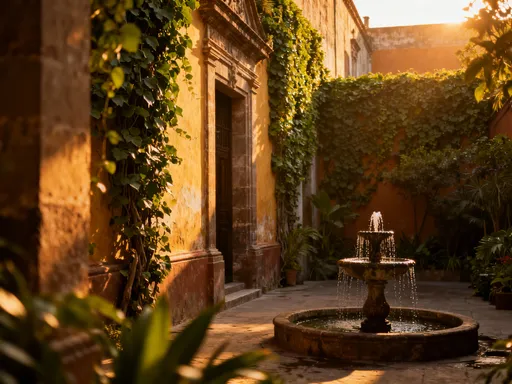
Gaining access requires patience and respect. Many of these spaces are not open to the public, but with a polite request and the help of a local guide, visitors may be welcomed into a workspace where a bronze caster is preparing a ritual statue or a woodcarver is restoring a temple beam. The light in these courtyards is often soft and diffused, filtering through wooden lattices known as pinjara. This creates natural patterns of shadow and illumination, perfect for dramatic portraiture or still-life compositions. A single shaft of light might fall across a craftsman’s hands as he files a delicate pattern into copper, turning the moment into a study of focus, skill, and tradition.
Photographing in these spaces is not about rushing from one shot to the next. It is about waiting—waiting for the right gesture, the right expression, the right interplay of light. A child peering through a carved window, a grandmother spinning wool in the corner, a cat stretching across a sun-warmed stone bench—these quiet moments carry as much weight as the grander scenes of temple festivals. The key is to be unobtrusive, to let life unfold naturally, and to shoot with intention rather than volume. When done with care, these images become more than souvenirs; they become records of a way of life that continues against the odds.
The Living Artisans: Capturing Craftsmanship in Motion
Patan’s identity is inseparable from its artisans. For over a thousand years, the city has been a center for metal casting, wood carving, and stone sculpture, with techniques preserved through family lineages. Today, these craftspeople are not relics of the past but active contributors to both religious and cultural life. Photographing them at work is not merely documenting a trade—it is capturing a form of devotion. Their tools may be simple—hammers, chisels, blowtorches—but their skill is profound, shaped by decades of practice and a deep understanding of sacred geometry and symbolism.
One of the most powerful subjects is the bronze caster using the lost-wax method, a technique that dates back to the 12th century. The process begins with a beeswax model, which is encased in clay and fired, melting the wax and leaving a mold into which molten metal is poured. Photographing this moment—the pouring of glowing bronze into the mold—is both technically challenging and emotionally intense. The heat, the light, the focused expressions of the artisans—all create a scene of raw energy. A fast shutter speed is essential to freeze the motion of the liquid metal, while a polarizing filter can help manage the intense glare. These images convey not just the act of creation but the risk, precision, and reverence involved.
Equally compelling are the woodcarvers who restore temple struts and window frames. Their chisels move with quiet certainty, removing tiny shavings of wood to reveal lotus patterns, guardian deities, or mythical beasts. Unlike mass-produced carvings, each piece is unique, bearing the subtle imperfections that mark human touch. When photographing these artisans, close-ups of their hands are particularly effective—showing calluses, paint stains, and the delicate control required for fine detail. But ethical considerations are paramount. Always ask permission before shooting, engage in conversation, and avoid framing subjects in a way that suggests poverty or exoticism. These are skilled professionals, not props for a tourist gaze.
Color, Light, and Texture: Mastering Patan’s Photographic Palette
Patan’s visual language is rich and layered, built on a palette of earthy reds, deep crimsons, burnished golds, and cool shadows. The city’s aesthetic is not accidental; it is the result of centuries of cultural and spiritual expression. Understanding this palette allows photographers to move beyond mere documentation and begin composing with intention. The interplay of color, light, and texture in Patan is not just beautiful—it tells stories of devotion, resilience, and continuity.
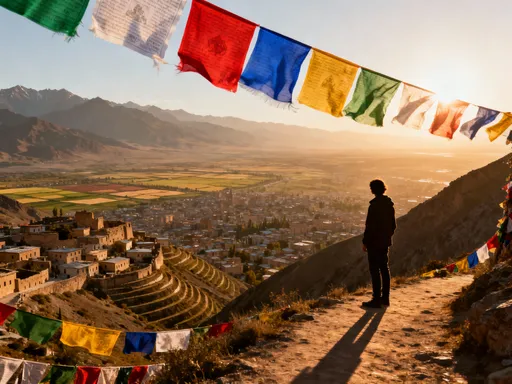
Terracotta walls, made from locally fired bricks, dominate the cityscape. These surfaces absorb and reflect light in unique ways, especially during sunrise and sunset, when they glow with a warm, almost luminous quality. Contrasting against this are the crimson prayer flags strung between temples and homes, their fabric fluttering in the wind like flames. Brass and copper offerings at shrines add metallic highlights, catching the light and drawing the eye to specific focal points. Even the mud and straw roofs of older homes contribute to the texture, their uneven surfaces creating patterns of light and shadow that change with the time of day.
For photographers, mastering this environment means adjusting settings thoughtfully. White balance should be set to preserve warmth, avoiding the cool tones that can drain the soul from these scenes. Shooting in RAW format allows for greater flexibility in post-processing, especially when recovering highlights from reflective metal or shadows in deep alleys. Compositionally, natural framing is abundant—doorways, windows, and arches act as built-in viewfinders, guiding the viewer’s eye toward the subject. A prime lens, such as a 35mm or 50mm, is ideal for capturing both environmental context and fine detail without distortion.
Shadows are not obstacles but tools. In Patan, they define form, create mystery, and add emotional depth. A silhouette of a monk walking through a darkened corridor, the partial illumination of a carved deity’s face, the contrast between a sunlit courtyard and a shadowed workshop—all of these use darkness as an active element in the image. Learning to see in gradients of light, rather than just in full exposure, transforms the way one engages with the city.
Navigating the City: A Photographer’s Practical Guide
To make the most of a photographic journey through Patan, planning and awareness are essential. The best time to shoot is during the early morning and late afternoon, when the light is soft and directional. Midday light in Nepal is harsh and overhead, creating unflattering contrasts and blown-out highlights—particularly challenging when photographing reflective metalwork or white stone carvings. Aim to be in Durbar Square by 6:30 a.m. to capture the first light on the temples and the quiet moments before crowds arrive.
Respect for local customs is non-negotiable. Drones are prohibited in heritage zones, including Patan Durbar Square, without special permission from Nepali authorities. Temple interiors are often considered sacred spaces where photography is not allowed, especially during rituals. Always look for signage or ask a guide before raising your camera indoors. In some cases, a small donation to the temple fund may be appreciated if you wish to document certain areas, but this should never be seen as a transaction for access.
Hiring a local guide is one of the most valuable investments a photographer can make. Not only do they provide historical and cultural context, but they can also facilitate introductions to artisans and families who might otherwise be hesitant to be photographed. A trusted guide can arrange visits to private workshops, explain appropriate etiquette, and help translate conversations—building bridges that lead to more meaningful images. Additionally, guides often know the lesser-known chok and rooftop vantage points that are not marked on maps.
For breaks between shoots, Patan offers several traditional tea houses with rooftop seating. These quiet spaces provide a chance to review images, recharge batteries, and enjoy a cup of masala chai while scanning the skyline for new angles. Some of the best urban landscape shots can be taken from these terraces, especially at dusk when the city lights begin to flicker on and the call to prayer echoes from nearby temples. Always carry water, sunscreen, and a lightweight rain jacket—Kathmandu Valley weather can shift quickly, especially during the monsoon season.
Why Patan Matters: Preserving Culture Through the Lens
In an age of rapid urbanization and climate change, heritage sites like Patan face growing threats. Earthquakes, pollution, and mass tourism all place pressure on ancient structures and traditional ways of life. Yet, photography has emerged as a quiet but powerful force for preservation. Every image taken—when done with respect and intention—becomes part of a larger archive that documents what exists, what is at risk, and what must be protected. These photographs do more than decorate albums; they educate, inspire, and mobilize.
Photographers have a responsibility that extends beyond the frame. When sharing images of Patan, consider crediting subjects whenever possible—especially artisans whose work is often reproduced without acknowledgment. Better yet, support the local economy by purchasing small handmade items: a brass oil lamp, a hand-carved wooden pendant, or a piece of lokta paper art. These acts of reciprocity ensure that tourism enriches the community rather than merely extracting from it.
Ultimately, Patan is not just a backdrop for beautiful images. It is a collaborator in the act of storytelling. The city reveals itself slowly, rewarding those who listen, wait, and return with humility. To photograph Patan is to participate in its survival—to bear witness to a culture that has endured for centuries and continues to create beauty in the face of change. For shutterbugs seeking meaning as much as mastery, this hidden gem offers not just unforgettable shots, but a deeper connection to the human spirit. Pick up your camera, but also your heart. Patan is waiting.